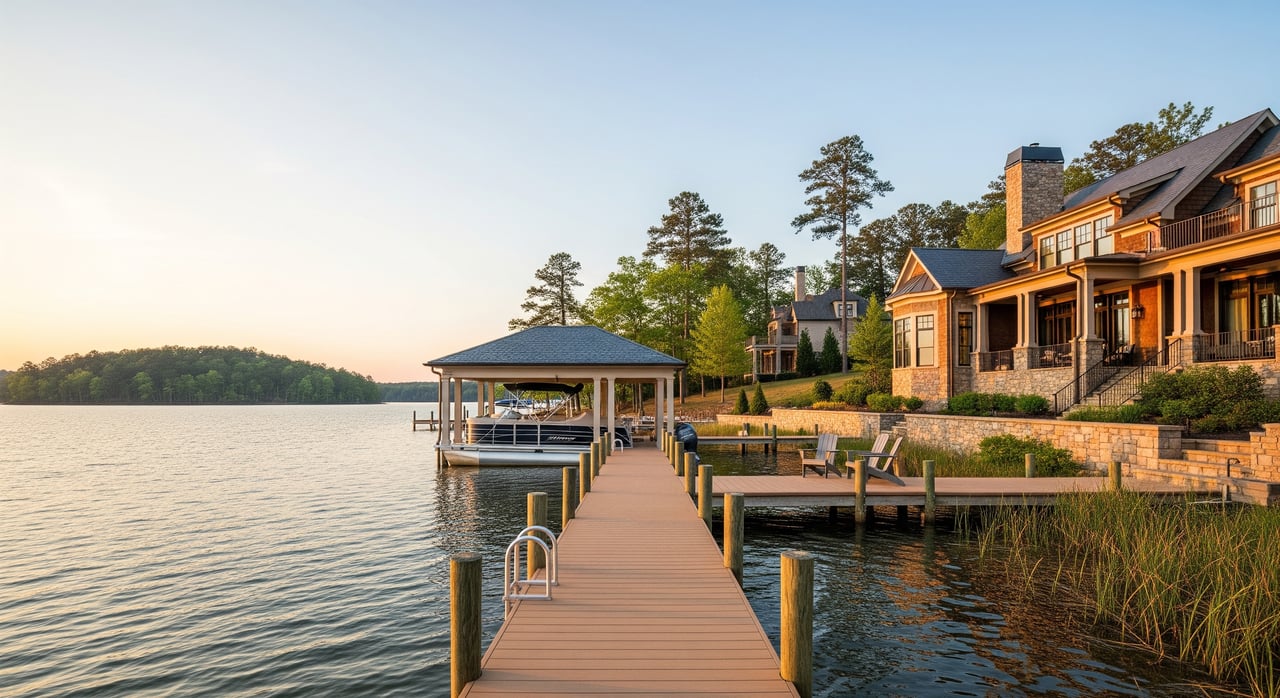
You can fall in love with the view and still miss the details that make or break a waterfront purchase. If Lake Norman is calling your name, you are not alone. Buying on the water is different from buying off the water, especially in Mecklenburg County. In this guide, you will learn what to verify about docks, permits, shoreline types, insurance, and financing so you can buy with confidence. Let’s dive in.
Lake Norman basics and who is in charge
Lake Norman is the largest man-made lake in North Carolina and a major source of recreation for the Charlotte region. Duke Energy created the reservoir and manages it today through a Shoreline Management Program. That program governs docks, boathouses, and other structures that extend into the lake.
Water levels change with seasons and operations. Designs for docks, lifts, and electrical systems should account for normal fluctuations and occasional drawdowns. The lake touches multiple jurisdictions. In Mecklenburg County, that includes towns like Cornelius, Davidson, and Huntersville. Permitting, utilities, and zoning can vary by town, so plan to check local rules as part of your due diligence.
Shoreline types and what they mean for you
Not all shoreline is the same, and the type you buy affects maintenance, cost, and access.
- Natural or vegetated shoreline: Offers ecological benefits and may need less hard-structure maintenance. It can be beautiful and lower impact, but it may limit easy boat access unless you have a dock.
- Rip-rap or stone revetment: Helps reduce erosion. It can require permits and periodic maintenance, especially after storms or long-term wear.
- Concrete bulkheads and seawalls: Can provide a crisp, defined edge and erosion control. Older installations may be nearing end-of-life and can be costly to repair or replace. Permitting and replacement rules apply.
- Cleared or graded slopes: Access can be easier, but slopes can be prone to erosion without proper stabilization.
Before you write an offer, look closely at the shoreline’s condition and age. If you plan to change the shoreline, factor in potential permit requirements and costs.
Docks, slips, and lifts: what to verify
A dock is often the centerpiece of a Lake Norman purchase. Treat it like a major asset you need to verify.
- Confirm the dock’s permit or lease status with Duke Energy’s program and whether it can transfer to you at closing.
- Check allowed dimensions, setbacks, and the number of slips under governing rules for that site.
- Inspect structural integrity, fasteners, anchoring, electrical, and lift systems through a qualified marine professional.
- Verify water depth at normal and low lake levels to ensure your boat’s draft is compatible.
- Understand that lifts and covered boathouses generally need additional approvals and come with higher installation and maintenance costs.
If the property lacks a private dock, consider how you will access the water. Community docks, nearby marinas, or public ramps can fill the gap, but availability, fees, and waitlists vary.
Boating rules, access, and lifestyle
Lake Norman has posted no-wake zones and special use areas. These rules are enforced by local law enforcement and marine patrols. If you plan to boat frequently, get familiar with local safety norms and common traffic patterns.
Invasive species like hydrilla, milfoil, and zebra mussels can affect boating and maintenance. Prevention practices are often shared by local marinas and state agencies. Following them helps protect the lake and your equipment.
Permits, leases, and riparian rights
Owning a waterfront lot does not guarantee unrestricted rights to build over the water. Duke Energy controls structures that extend into the reservoir through its shoreline program. Always verify whether the existing dock or boathouse has a valid permit or lease and whether it can be transferred with the sale.
Waterfront ownership typically includes riparian rights, which mean reasonable access to the water. The specifics depend on deed language, recorded easements, and Duke Energy policies. Easements for utilities or shared access can affect how you use your shoreline. In communities with HOA common areas or community docks, review rules that govern slip use, guest docking, and improvements. Unpermitted structures can create liability and removal costs, so bring permitting to the front of your review.
Flood and insurance essentials
Many waterfront properties sit in FEMA flood zones. Lenders may require flood insurance if a home is in a Special Flood Hazard Area. Even if your lender does not require it, it is smart to understand potential risks and costs. Flood insurance is separate from a standard homeowners policy.
Standard homeowners insurance may exclude certain water damage and often excludes coverage for structures that extend over water. Ask carriers to clarify how your dock, lift, and boathouse would be treated. For higher-value homes, wind, hurricane, and inland flood risks should be evaluated with local carriers. Premiums can be significant, so get quotes early.
Environmental and water quality considerations
Lake Norman can experience algal blooms, sedimentation, and occasional water-quality advisories. Staying aware of current reports helps you plan activities and maintenance. Shoreline stabilization and some landscaping work can be regulated to protect buffers and water quality. If the home uses a septic system, make inspection and capacity checks part of your process.
Market value and financing realities
Waterfront homes usually command a premium over off-water homes. On Lake Norman, the premium reflects a mix of factors:
- Direct water access versus view only
- Depth at the dock, the number of slips, and whether a lift or boathouse is permitted
- Open water versus cove location, orientation, privacy, and noise from boat traffic
- Lot size, home condition, and proximity to towns like Cornelius, Davidson, and Huntersville
- Overall supply and demand in the Charlotte and Lake Norman region
Financing can also look different. Many waterfront sales fall into higher price tiers that require jumbo loans. These loans can require larger down payments, stricter debt-to-income ratios, and stronger reserves. Appraisals should reflect dock value, shoreline, and access. Ask your lender to assign an appraiser familiar with Lake Norman waterfront properties. If the property includes a dock lease through Duke Energy, your lender may need to review it.
Your due diligence roadmap
A disciplined process helps you avoid surprises and protects your investment. Use this checklist as a starting point.
Document and title review
- Obtain and review the deed and plat. Look for shoreline easements, covenants, and restrictions.
- Confirm whether the dock or boathouse has a valid Duke Energy permit or lease and whether it is transferable at sale.
- Request HOA or POA documents. Review community dock rules and any boat size or horsepower limits.
Permits and compliance
- Verify local building and zoning records for all shoreline structures.
- Check for any code enforcement actions or unpermitted work.
Physical and technical inspections
- Hire a qualified marine contractor or dock inspector to evaluate structure, anchoring, electrical, and lift systems.
- Inspect the shoreline for erosion, rip-rap condition, or stabilization needs.
- Confirm water depth at the dock during normal and low levels to match your boat’s draft.
- If applicable, schedule a septic inspection and confirm sewer availability.
Environmental and hazard checks
- Review FEMA flood maps and request an Elevation Certificate if available. Estimate flood insurance needs.
- Check local water-quality advisories, algal bloom history, and invasive species occurrences.
- Ask about past shoreline stabilization, dredging, or sedimentation projects in the area.
Access, use, and lifestyle
- Verify how many slips are allowed and whether guests can use community dock space.
- Confirm nearby speed or no-wake zones that may affect your route to open water.
- Identify the nearest public ramps and marinas, and ask about slip availability, fees, and waitlists.
- Review any HOA or town rules on rentals, gatherings, or waterfront improvements.
Financial and insurance items
- Get early quotes for flood insurance and homeowners coverage. Clarify how over-water structures are treated.
- Ask your lender about appraisal requirements for waterfront comps and any impacts of a dock lease on eligibility.
- Budget for ongoing dock and shoreline maintenance and set aside contingency funds for unexpected repairs.
Practical closing items
- Confirm the process and timeline to transfer or apply for a Duke Energy dock lease.
- Request signed seller statements about known shoreline repairs or incidents.
- Map utility service lines, septic or sewer connections, and any easements that could affect future work or enjoyment.
Resale and long-term fit
Waterfront demand can be seasonal. Unique shoreline improvements and highly customized docks can narrow your future buyer pool. On the other hand, community marina space or shared facilities can expand it. Think about the long-term fit. Will the location, dock setup, and water depth serve you today and support resale later?
Ready to explore Lake Norman?
You deserve a simple, confident path to the water. Our team pairs neighborhood fluency across Cornelius, Davidson, and Huntersville with a concierge process that keeps permits, inspections, and insurance on track. If you are comparing on-water and off-water options or weighing dock and shoreline tradeoffs, we will help you evaluate value, lifestyle, and risk so you can move forward with clarity.
Start your Lake Norman search with a local plan and national-level reach. Connect with SERHANT. North Carolina to schedule a discovery call and map your next steps.
FAQs
What does Duke Energy’s shoreline program mean for Lake Norman buyers?
- Duke Energy manages structures that extend into Lake Norman, so you must verify that any existing dock or boathouse has a valid permit or lease and whether it can transfer to you.
How do water levels affect my dock and boat access?
- Lake levels fluctuate for seasonal and operational reasons, so your dock and lift design, anchoring, and water depth should be evaluated for access during normal and low water.
Do I need flood insurance for a waterfront home in Mecklenburg County?
- If the home is in a FEMA Special Flood Hazard Area, a lender will typically require flood insurance, and it is separate from a standard homeowners policy.
What inspections should I order for the dock and shoreline?
- Hire a marine contractor or dock inspector to evaluate structure, electrical, and lifts, and have the shoreline checked for erosion, stabilization needs, and adequate depth for your boat.
How can HOAs and easements impact my shoreline use?
- Recorded easements and HOA rules can define access, dock use, and improvements, so review deed, plat, and community documents to understand your rights and responsibilities.
Will I need a jumbo loan for a Lake Norman waterfront property?
- Many waterfront homes fall into price tiers that require jumbo financing, which can mean larger down payments, stricter ratios, and an appraiser with waterfront experience.