
Origins of Charlotte’s Streetcar Suburbs
Charlotte’s streetcar suburbs emerged in the late nineteenth and early twentieth centuries as the city transitioned from a compact, walkable downtown to a more expansive urban form shaped by new transit technologies, with electric streetcars allowing residents to live farther from the center while maintaining convenient access to commerce, jobs, and entertainment, laying the foundation for neighborhoods that blended residential tranquility with urban connectivity.
The Arrival of Electric Streetcars
When electric streetcars arrived in Charlotte in 1891, they revolutionized local transportation by replacing slower horse-drawn systems, making travel more reliable, affordable, and efficient, and sparking real estate development as investors recognized that access to transit could dramatically increase land value, ultimately pulling the city’s growth outward along newly laid tracks.
Development of Dilworth as the First Streetcar Suburb
Dilworth, designed and developed by the Charlotte Consolidated Construction Company (often called the “Four Cs”), became the city’s first true streetcar suburb in 1891, created intentionally around the new electric rail system, featuring a thoughtfully planned grid, welcoming residential streets, and Latta Park as its recreational anchor, attracting families seeking a quieter lifestyle without sacrificing proximity to downtown Charlotte.
Expansion into Myers Park
Myers Park followed in the early 1900s as a more upscale streetcar suburb defined by curving, tree-lined roads and elegant architectural styles, and its development reflected a new approach to urban planning influenced by the City Beautiful Movement, with the streetcar serving as the essential connective tissue that allowed the neighborhood’s beauty and intentional design to flourish while still integrating seamlessly with the growing city.
Streetcar Lines and Neighborhood Identity
The layout of streetcar lines helped define Charlotte’s urban identity, with each route creating its own corridor of activity and establishing neighborhood centers where shops, schools, and churches naturally clustered, while the areas immediately surrounding the tracks became prime residential zones that offered both peaceful living and direct access to transportation, shaping long-lasting community character.
Architectural Styles of Streetcar Suburbs
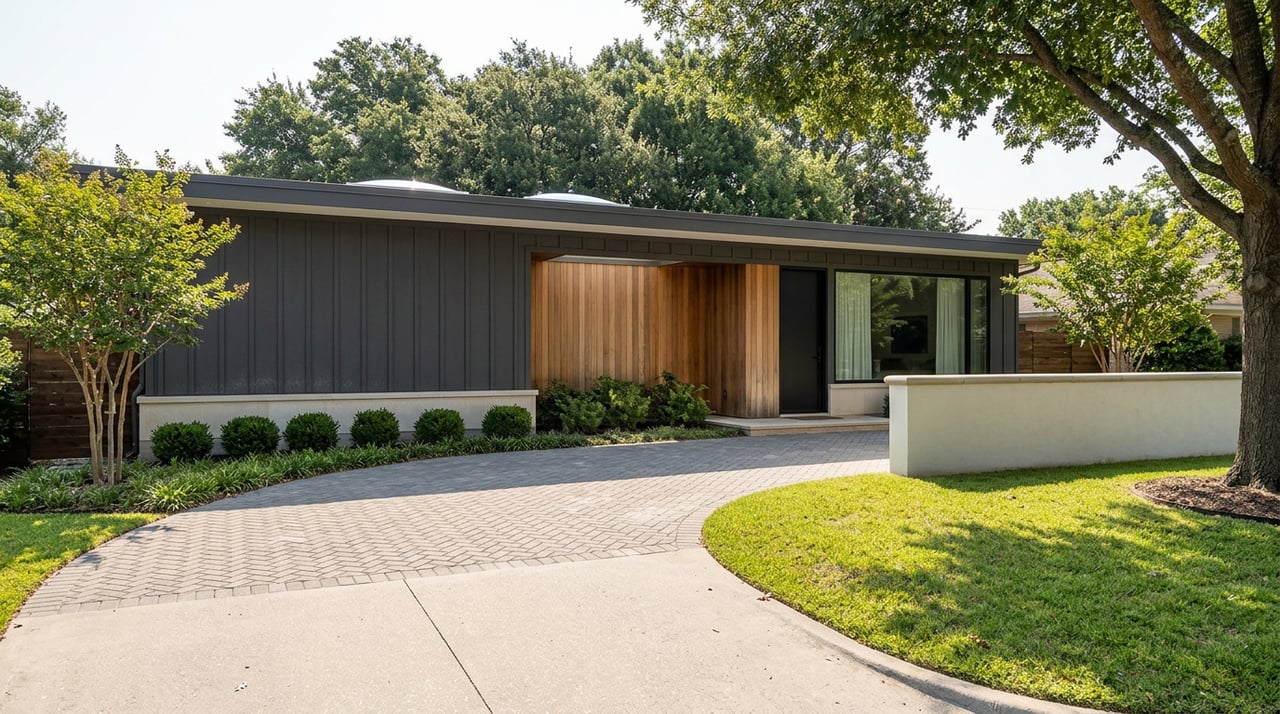
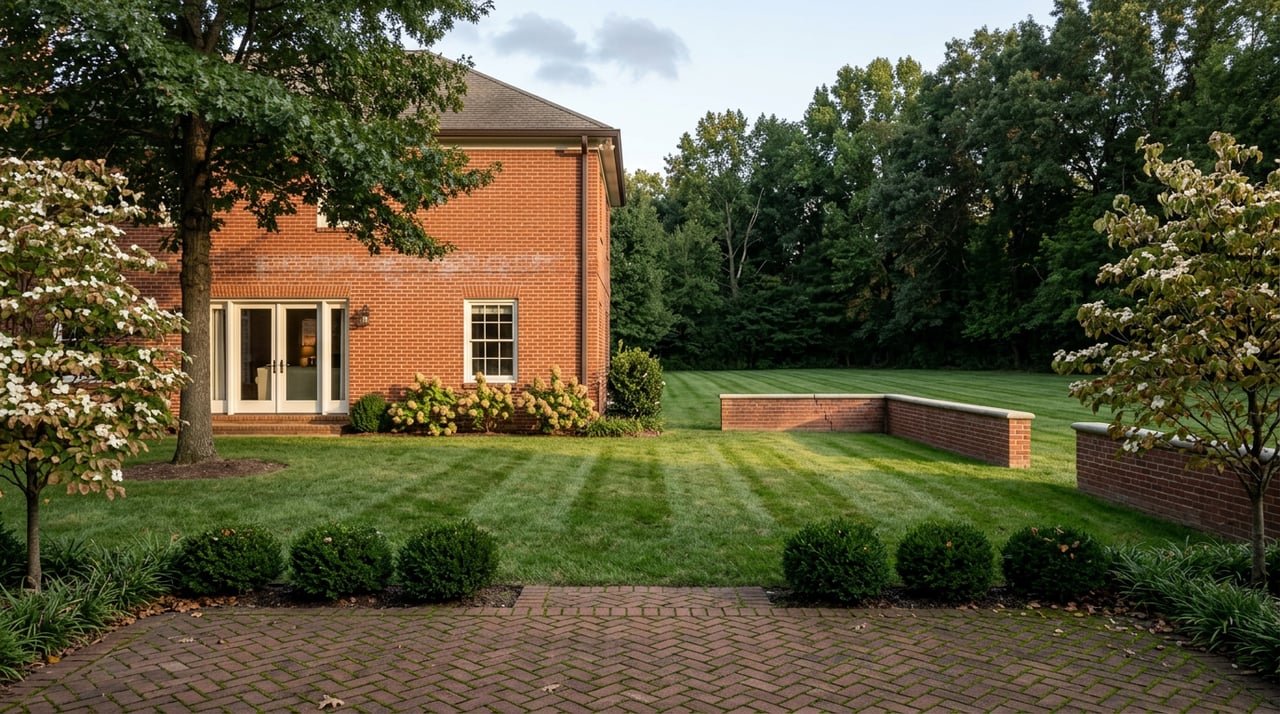
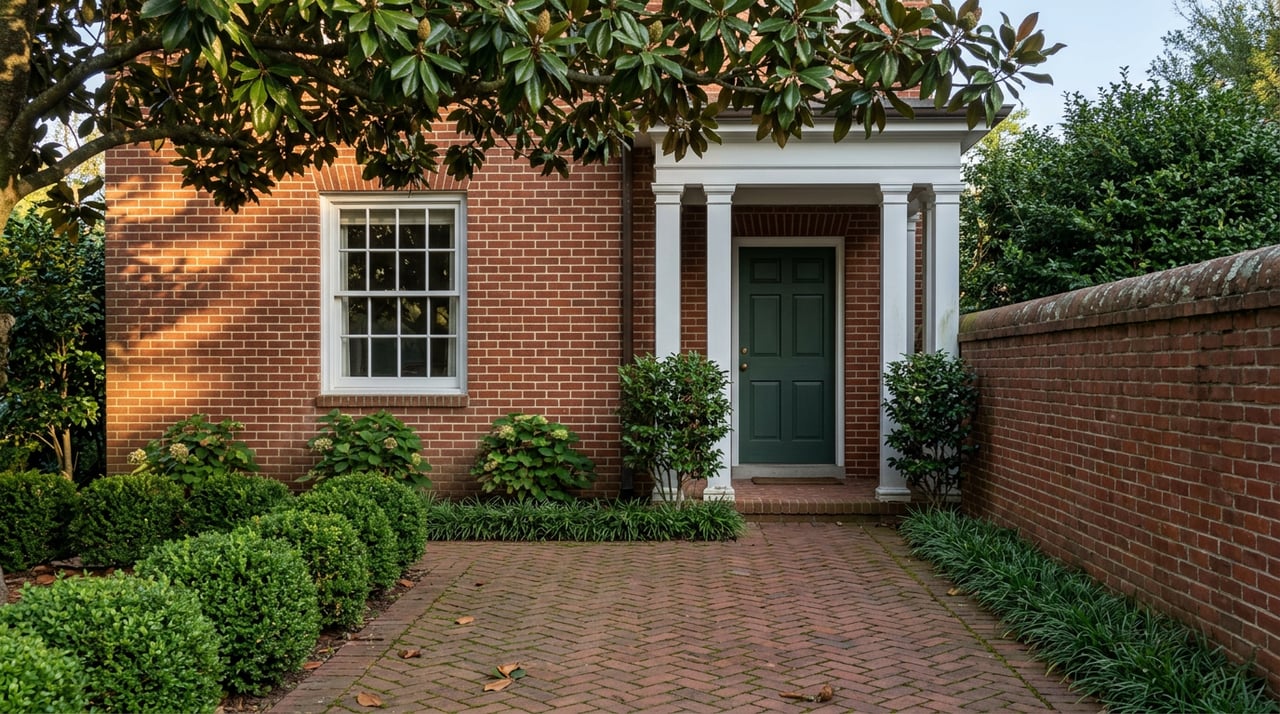
The architectural landscape of Charlotte’s streetcar suburbs blended Queen Anne, Colonial Revival, Craftsman, and Tudor influences, creating diverse but harmonious streetscapes that reflected the aspirations of early residents, and these homes, often modest in size but rich in detail, expressed a shift toward comfortable domestic living that emphasized charm, craftsmanship, and connection to the surrounding neighborhood.
Cultural and Social Shifts
Streetcar suburbs encouraged changes in lifestyle and social interaction by enabling more fluid movement across Charlotte, allowing residents to commute more easily while also traveling for leisure, shopping, or cultural events, and this mobility fostered a sense of modern urban identity in which residents could enjoy the benefits of suburban living without feeling disconnected from the city’s vibrant core.
The Decline of Streetcar Transit
By the mid-twentieth century, the dominance of the automobile led to the decline of streetcar systems nationwide, and Charlotte was no exception, retiring its last streetcar in 1938 as road infrastructure expanded and personal vehicles became the preferred mode of transportation, altering both development patterns and the scale of suburban growth in ways that moved far beyond the intimate, transit-focused design of earlier neighborhoods.
Preservation and Revitalization
In recent decades, Charlotte’s historic streetcar suburbs have experienced renewed appreciation as residents and city leaders recognize their architectural value, walkability, and strong community identity, leading to preservation efforts, revitalized homes, and careful planning that aims to balance growth with respect for the historic fabric that continues to define areas like Dilworth, Myers Park, and Elizabeth.
Modern Transit and Renewed Interest in Historic Patterns
As Charlotte reintroduces modern transit options, including light rail and streetcar-style systems, there is a growing recognition that the principles behind the original streetcar suburbs—walkability, mixed land use, and transit accessibility—remain highly relevant, and these historic neighborhoods offer a model for future development that prioritizes connection, character, and sustainable growth.
Lasting Influence on Charlotte’s Urban Form
The imprint of streetcar suburbs on Charlotte’s urban form is unmistakable, as their thoughtful planning, architectural diversity, and transit-oriented foundations continue to shape the city’s most desirable residential areas and inspire contemporary development trends that echo their emphasis on connected, human-scaled communities woven seamlessly into the broader city landscape.
Continuing Legacy of Streetcar Suburbs
Today, the legacy of Charlotte’s streetcar suburbs endures in their enduring popularity and influence on modern urban design, with their blend of historical charm and functional planning reminding residents and visitors alike that these neighborhoods were pioneering models of livable community design, and their lasting appeal reflects a timeless understanding of what makes a city both beautiful and connected.
A City Shaped by Rails and Neighborhood Roots
The story of Charlotte’s streetcar suburbs reveals how transportation, planning, and community values intersected to shape a city that continues to grow while still honoring its roots, and understanding this history allows residents to appreciate not only the charm of these neighborhoods but also the visionary thinking that made them possible, demonstrating the lasting power of thoughtful urban planning.
Connect with Charlotte’s Past and Future Through The Dearing Team
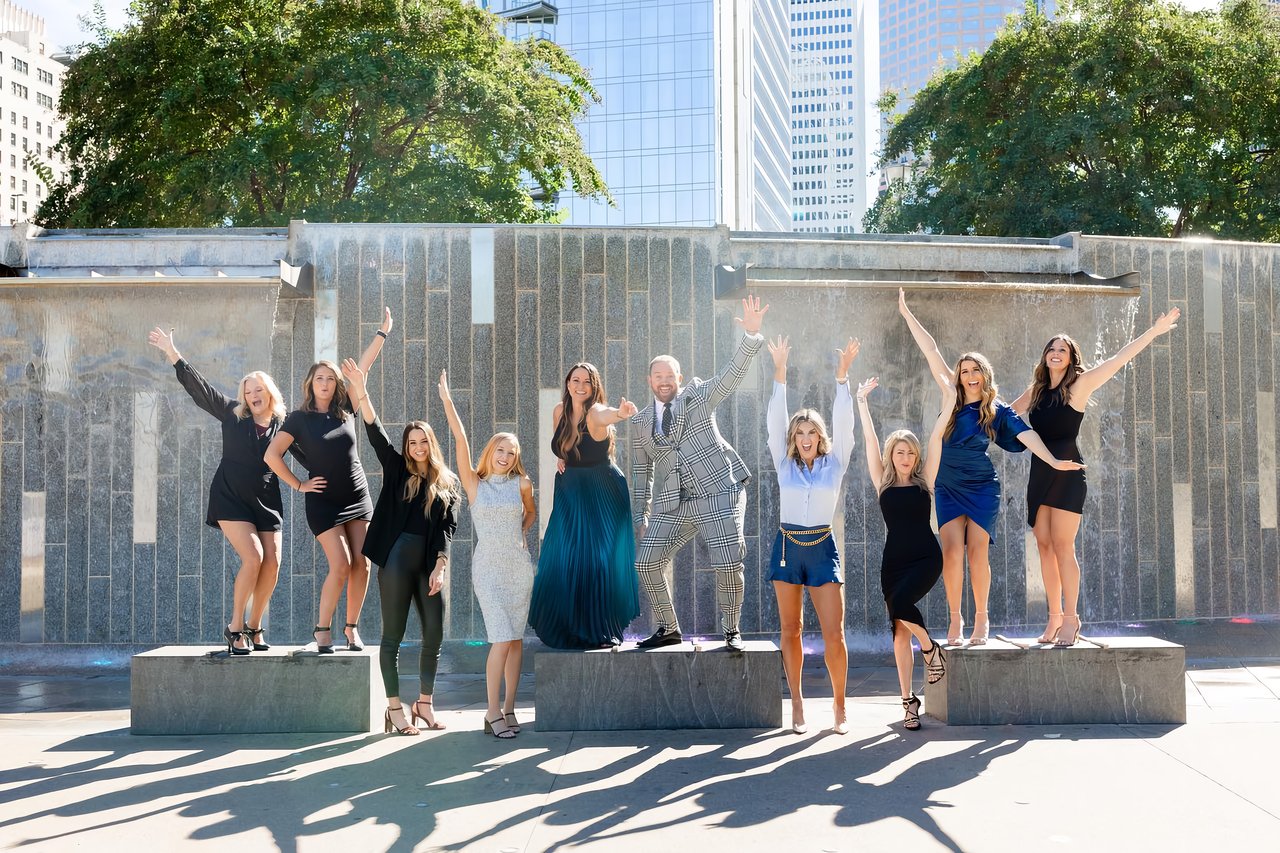
For buyers and sellers seeking to engage with Charlotte’s rich neighborhood history, the streetcar suburbs offer compelling opportunities, and partnering with The Dearing Team provides expert guidance rooted in deep local insight, as their team helps clients navigate the city’s historic communities, understand evolving market trends, and make confident real estate decisions that align with both lifestyle and legacy, whether finding a charming historic home or leveraging the area’s enduring appeal for long-term value.