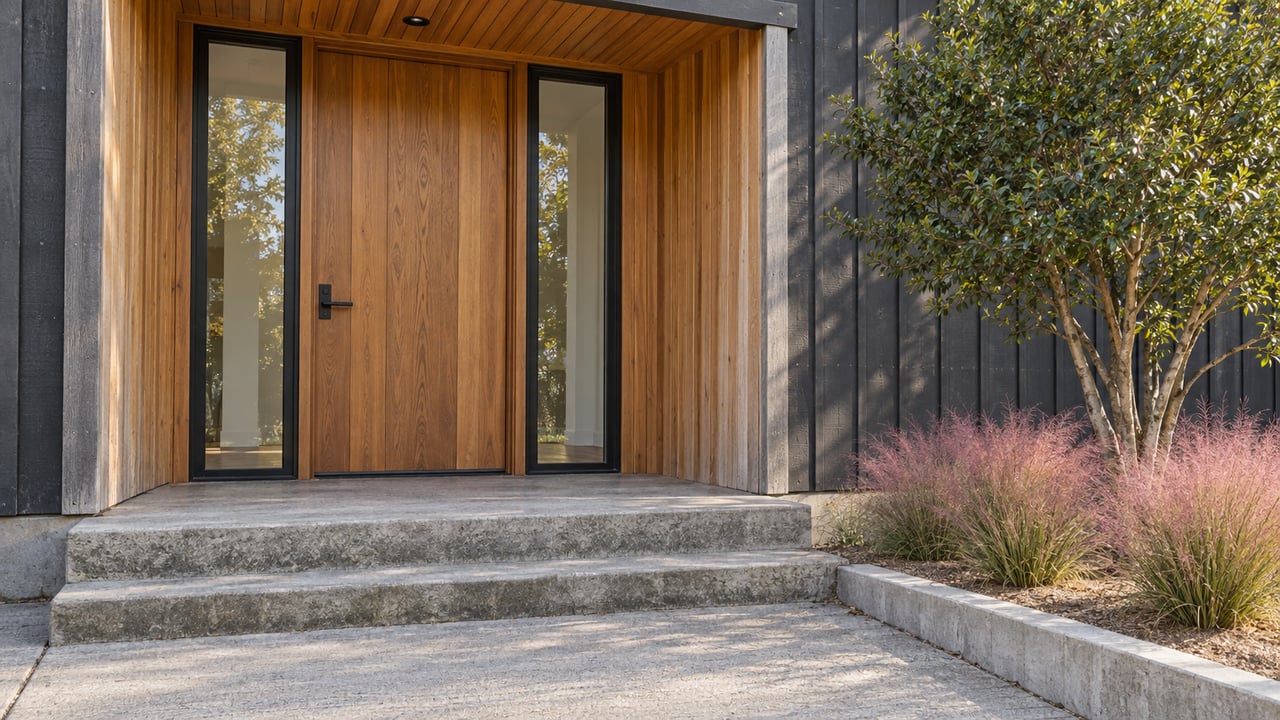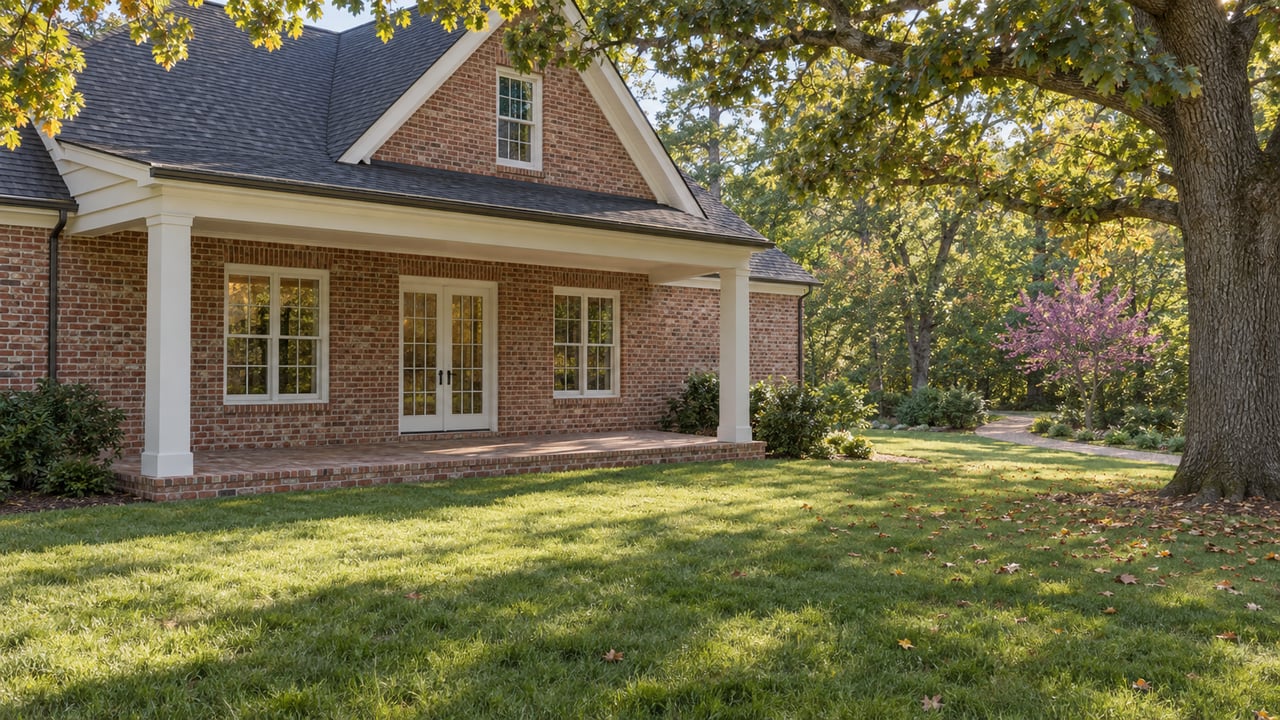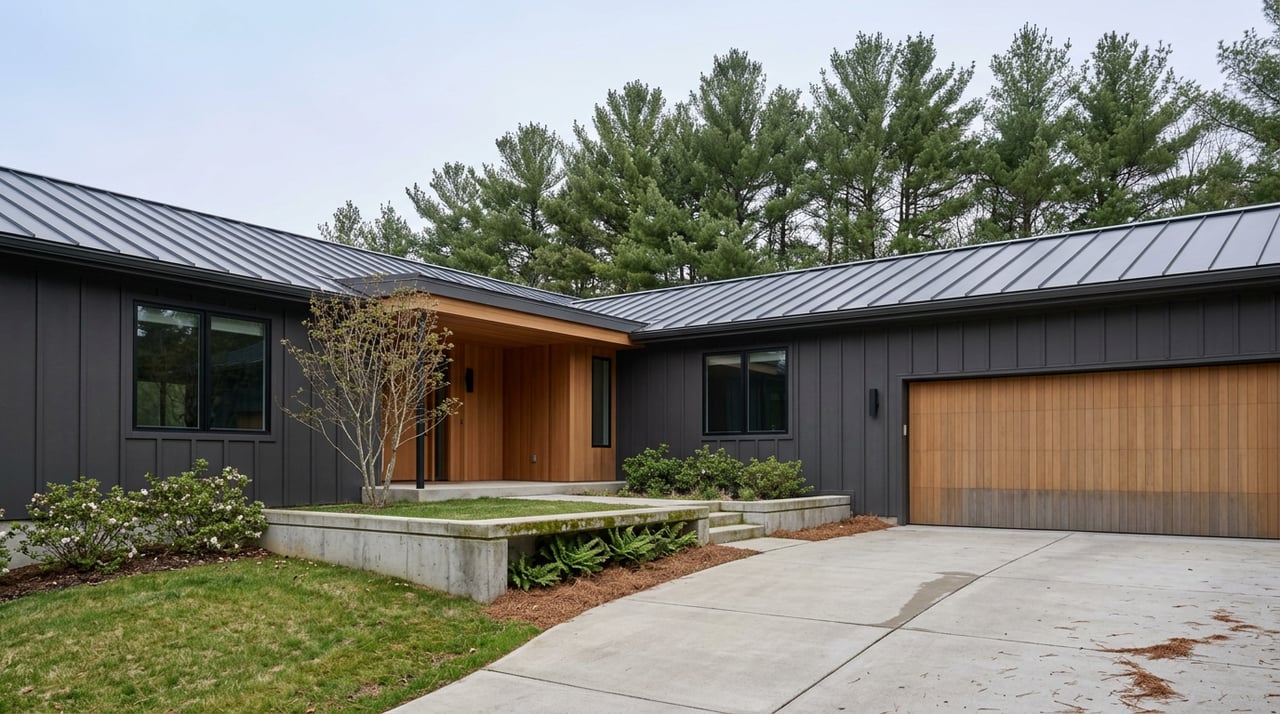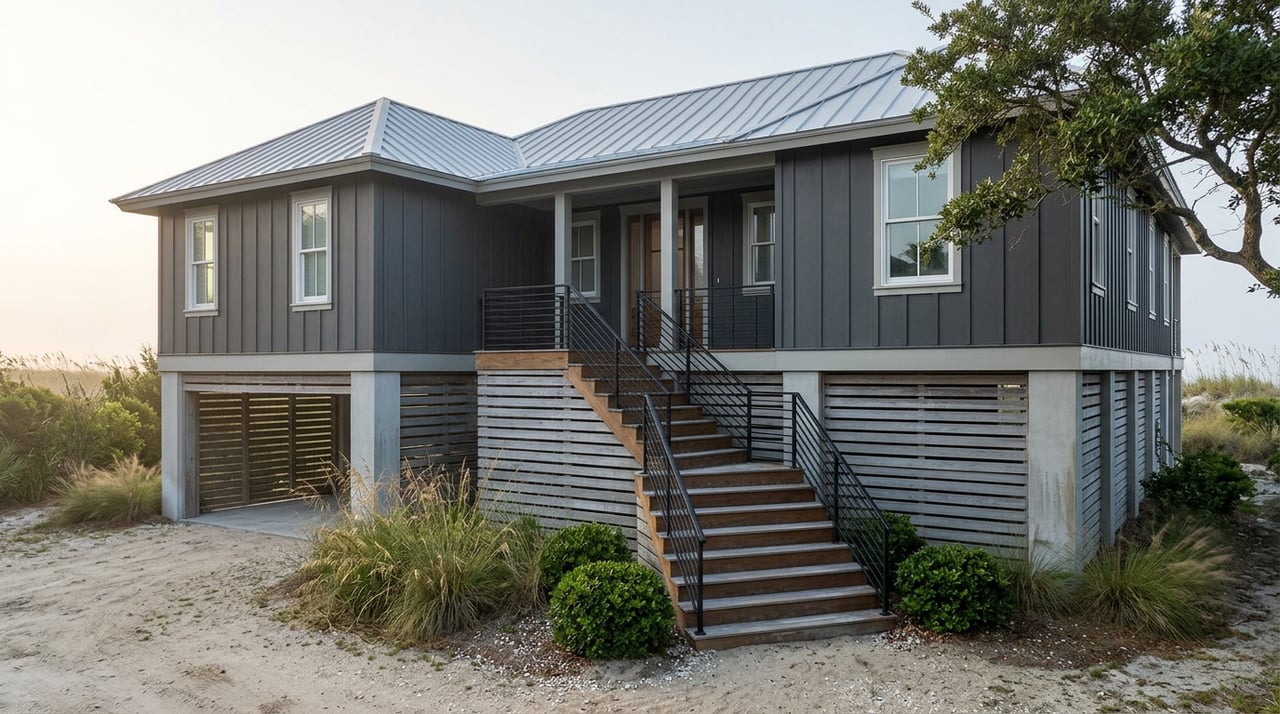
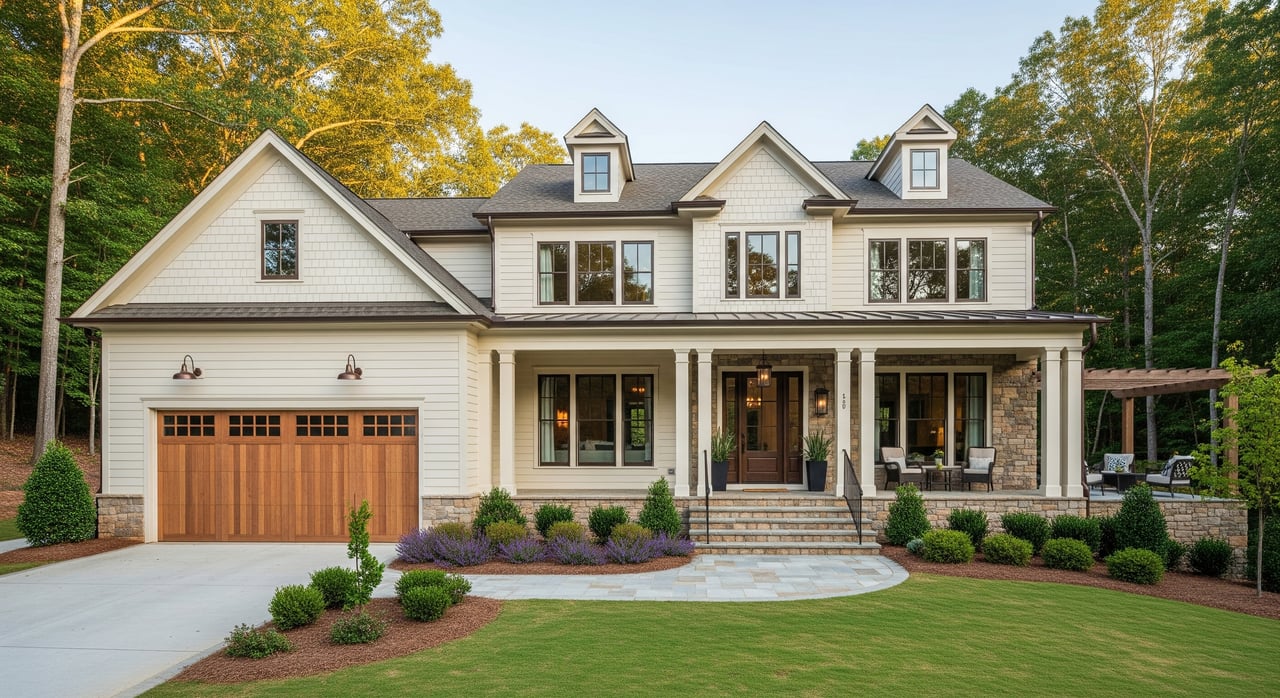
Thinking about buying your first rental in Davidson Woods? You are looking at a pocket of 28036 that blends small-town charm, Lake Norman recreation, and easy access to Charlotte’s job centers. It is a smart place to explore rental investing, but the best results come when you follow a clear plan. This guide walks you through demand drivers, local rules, the numbers that matter, and a simple due diligence checklist so you can move forward with confidence. Let’s dive in.
Why 28036 attracts renters
Lake access, green space, and a connected lifestyle pull people toward Davidson Woods and the surrounding 28036 area. You are minutes from Lake Norman, Davidson’s walkable village, and major corridors that link to Charlotte. Many renters want suburban space without giving up proximity to work and recreation.
Charlotte’s broader economy supports demand across the northern edge of Mecklenburg County. Commuters who work in Uptown, Huntersville, or the Lake Norman business corridors often choose 28036 for location and quality of life. Davidson College also adds steady, niche demand from graduate students, staff, and faculty for select property types.
Who rents in Davidson Woods
- Households seeking suburban space and a calm neighborhood setting.
- Commuters who split time between Charlotte and Lake Norman employment hubs.
- Professionals who value proximity to amenities and outdoor recreation.
- Graduate students and faculty connected to Davidson College, which is a smaller but notable segment.
Features local renters value
- Proximity to Davidson village amenities and outdoor access near Lake Norman.
- Garages or off-street parking, plus practical storage for gear.
- Modern kitchens and bathrooms, energy-efficient systems, and reliable HVAC.
- Flexible work-from-home space and strong connectivity.
Property types to consider
Single-family homes
Single-family rentals are common in Davidson Woods and nearby subdivisions. They often attract longer-term tenants and can reduce turnover risk. Yard care and routine exterior maintenance are important to define in your lease.
Townhomes and condos
Townhomes and condos can offer a lower entry price and reduced exterior maintenance. Always review HOA rules, which may include rental caps, minimum lease terms, or approval steps. HOA dues can impact your cash flow, so budget carefully.
Small multifamily
Duplexes or small multifamily assets can boost cash flow per lot. Supply is limited within higher-end subdivisions, so inventory may be scarce. If you find a well-located property, confirm zoning and allowed uses before making an offer.
Rules, taxes, and compliance
North Carolina does not have statewide rent control. Landlord-tenant rules and eviction procedures are set in the North Carolina General Statutes, including Chapter 42. Requirements can change, so confirm current timelines, security deposit limits, notices, and habitability standards before you lease.
Short-term rental rules vary by municipality in Mecklenburg County. The Town of Davidson and the Town of Huntersville can have different permitting, safety, zoning, and occupancy tax requirements for short stays. Long-term rentals are subject to property taxes, and rental income is taxable at state and federal levels.
Homeowners’ associations play a big role in 28036. Many subdivisions have CC&Rs with minimum lease terms, rental caps, or owner occupancy rules. Always review the governing documents so you know what is allowed.
Safety and insurance
- Carry a landlord or dwelling policy, and consider an umbrella policy for added liability protection.
- Evaluate flood coverage if a property is near Lake Norman or mapped in a higher-risk flood zone.
- Confirm smoke and carbon monoxide detectors and basic building-safety items are up to code.
- Expect inspections or additional safety requirements if you plan to operate a short-term rental.
Know your numbers
Strong rental decisions start with clear, simple metrics. Use these to screen properties and stress-test your plan.
Core investment metrics
- Gross Rent Multiplier (GRM): Price divided by annual gross rent. Lower GRM can indicate a faster payback on gross income.
- Net Operating Income (NOI): Gross rent minus operating expenses, excluding mortgage payments.
- Capitalization Rate (Cap Rate): NOI divided by purchase price. Shows income return before financing.
- Cash-on-Cash Return: Annual pre-tax cash flow divided by total cash invested. Useful for leveraged deals.
- Debt Service Coverage Ratio (DSCR): NOI divided by annual debt service. Lenders use DSCR to assess loan risk.
Simple calculation templates
- NOI template: Annual Rent minus Operating Expenses equals NOI.
- Example: $3,000 monthly rent equals $36,000 annual rent. If expenses total $12,000, then NOI is $24,000.
- Cap rate template: NOI divided by Purchase Price.
- Example: $24,000 NOI on a $400,000 purchase equals a 6 percent cap rate.
- Cash-on-cash template: Annual Pre-Tax Cash Flow divided by Total Cash In.
- Example: If NOI is $24,000 and annual debt service is $20,000, cash flow is $4,000. If your total cash in is $100,000, cash-on-cash is 4 percent.
- DSCR template: NOI divided by Annual Debt Service.
- Example: $24,000 NOI divided by $20,000 debt service equals a 1.20 DSCR.
These examples are for illustration. Plug in local rent comps, HOA dues, and tax estimates from verified sources to refine your numbers.
Budget the right expenses
- Property taxes and HOA dues if applicable.
- Insurance costs for landlord coverage and any required riders.
- Utilities you plan to pay, plus seasonal lawn care common around Lake Norman.
- Routine maintenance and reserves for big-ticket items like HVAC or roofs.
- Property management fees, which often range from 7 to 12 percent of monthly rent for full-service management.
- Vacancy and turnover costs, including cleaning, paint, and minor repairs.
- Capital expenditures for appliances or system replacements over time.
Financing basics in North Mecklenburg
Conventional investor loans usually require higher down payments than primary residences. Many lenders ask for 15 to 25 percent down for single-family investment properties, and rates are often a bit higher. Underwriting can include market rent, DSCR, your liquidity, and the home’s condition.
Owner-occupied loans like FHA or VA are generally for primary residences, with some exceptions for small multifamily if you live in one unit. Local portfolio lenders, community banks, and credit unions sometimes offer competitive investor products in the Charlotte area. Compare terms and document your rental pro forma to show strength.
Management and leasing
Decide if you will self-manage or hire a local property manager. Many out-of-area owners prefer full-service management for tenant placement, compliance, and maintenance coordination. Weigh the fee against reduced vacancy, better tenant screening, and saved time.
Follow Fair Housing laws in your marketing and screening. Use clear leases that define security deposits in line with North Carolina law. Spell out who handles utilities, landscaping, and routine maintenance to reduce friction later.
Build a reliable vendor network before you need it. Line up an HVAC technician, plumber, electrician, and general handyman. Budget for emergency repairs, especially during the warm, humid months common to the Charlotte region.
Due diligence checklist for 28036 purchases
- Confirm zoning and allowed rental uses with local planning departments.
- Read CC&Rs and HOA rules for rental caps, lease terms, fees, and approval steps.
- Pull rent and sale comps from Canopy MLS and reputable rental data tools.
- Order a full home inspection. Price out deferred maintenance and plan for capital items like HVAC and roof.
- Run a conservative pro forma with realistic rent, a vacancy allowance, and complete operating expenses.
- Check FEMA flood maps if a property sits close to Lake Norman or a floodplain.
- Verify current property tax assessments and recent bills with Mecklenburg County records.
Risk factors to plan for
- HOA restrictions can limit or block rentals if you do not confirm rules upfront.
- Short-term rental rules vary by town and may include permits and occupancy taxes.
- Renovation and capital costs can push early returns lower than expected.
- Market conditions and interest rates affect pricing and absorption. Stress-test your numbers.
Your next step
If Davidson Woods feels like the right fit, start by clarifying your strategy, running a clean set of numbers, and confirming the rules for your target home. You do not need to do it alone. Our team combines neighborhood fluency in Lake Norman and North Mecklenburg with a concierge process that keeps you informed and in control.
Ready to evaluate a property or build a rental plan tailored to 28036? Reach out to SERHANT. North Carolina to connect with The Dearing Team for local guidance and a streamlined path from search to closing.
FAQs
What makes Davidson Woods a strong rental location in 28036?
- Proximity to Lake Norman, Davidson’s amenities, and Charlotte employment centers supports steady tenant demand across several renter profiles.
Are short-term rentals allowed in 28036 near Davidson Woods?
- Rules vary by municipality and neighborhood, so check Town of Davidson or Town of Huntersville codes and any HOA covenants for permitting, taxes, and occupancy limits.
How do HOA rules affect renting in Davidson-area subdivisions?
- Many HOAs set rental caps, minimum lease terms, or approval steps, so review CC&Rs early to confirm that leasing is permitted and under what conditions.
What down payment do I need for a single-family investment loan?
- Conventional investor loans commonly require 15 to 25 percent down, with terms varying by lender and borrower profile.
How do I estimate cap rate for a Davidson Woods rental?
- Calculate NOI by subtracting expenses from annual rent, then divide by purchase price; use local comps and conservative expense estimates for accuracy.
Do I need a property manager if I live out of town?
- Many non-local owners hire full-service managers to handle leasing, compliance, and maintenance, trading a fee for lower vacancy and time savings.
What expenses should I budget for a 28036 single-family rental?
- Plan for taxes, insurance, HOA dues if any, utilities you cover, lawn care, routine maintenance, management fees, vacancy and turnover, and capital reserves.