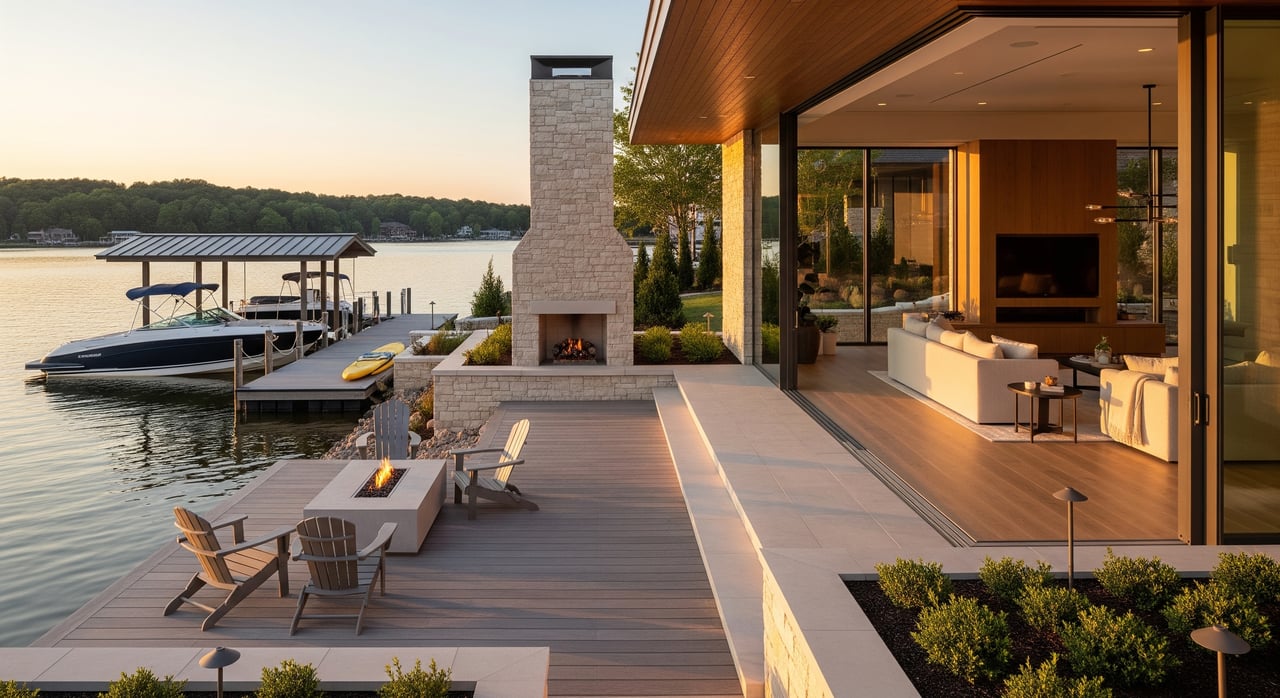
Imagine easing into Friday with a sunset boat ride, then waking up Monday to the same lake view before logging on for work. If Lake Norman has you torn between a weekend retreat and a full-time move, you are not alone. Each path comes with its own lifestyle, cost, and planning considerations. In this guide, you will compare both options side by side so you can move forward with clarity. Let’s dive in.
Lake Norman at a glance
Lake Norman is the largest man-made freshwater lake in North Carolina, created by the Cowans Ford Dam and managed by Duke Energy. Its shoreline touches communities in Mecklenburg, Iredell, and Lincoln counties, with popular access points near Cornelius, Davidson, Huntersville, and Mooresville. You will find boating, fishing, marinas, and parks, including access to the popular Lake Norman State Park.
Water levels and many lake operations are overseen by Duke Energy’s Lake Services. Each town around the lake has its own services and local rules, so your experience can vary by neighborhood and municipality.
Weekend retreat: pros and watchouts
Choosing Lake Norman as a second home gives you an easy escape without changing your daily routine.
Why a second home works
- You get focused relaxation during peak season, from Memorial Day through Labor Day.
- It is a flexible base for boating, fishing, and family gatherings.
- You preserve your primary home setup while testing lake living before a bigger move.
- You may offset costs with rentals during periods you are not using the home, if local rules allow.
Seasonal rhythms to plan around
Lake activity peaks in summer. Spring and fall bring quieter water and milder weather, while winter sees fewer boaters and some reduced marina hours. If you plan to visit mostly on weekends and holidays, expect higher demand for boat slips, fuel, and lakeside dining. Full-time residents enjoy steadier access to services year-round, but they also handle ongoing upkeep year-round.
Extra costs for part-time owners
- House-check or property management for a vacant home between visits.
- Winterization and de-winterization for boats and docks.
- Cleaning and turnover if you rent the property.
- Remote-ready maintenance planning to prevent humidity, pest, or freeze issues.
A common guideline is to budget 1–3% of the property’s value each year for routine maintenance and repairs. Waterfront assets like docks, lifts, and seawalls may require additional reserves over time.
Full-time move: pros and tradeoffs
Moving to Lake Norman full time means you enjoy the view and the lifestyle every day.
Daily living advantages
- Year-round access to marinas, shops, healthcare, and services.
- Easier in-person management of maintenance and vendors.
- Deeper ties to local events and community life.
- Better daily use of fixed costs like taxes and insurance compared to a rarely used second home.
If you work remote or hybrid, verify internet speeds and reliability for your exact address using the FCC Broadband Map. For storm resilience, some owners add backup power solutions.
Commute and access
Lake Norman towns are part of the Charlotte metro. Proximity to I-77 and major corridors affects your drive times, which can change with traffic and season. If you plan to commute, test your route during peak hours before you buy.
Ongoing responsibilities
Full-time owners take on more daily wear and utilities. Waterfront homes can face higher moisture, so plan for regular HVAC service, humidity control, pest management, and dock checks. After wind events, be ready for debris cleanup and tree maintenance.
Permits, docks, and shoreline rules
Docks, piers, and shoreline projects often require permits and must follow environmental guidelines. Plan early and confirm:
- Municipal or county permits based on the town and parcel.
- State-level environmental requirements through the North Carolina Department of Environmental Quality.
- Federal review in certain cases involving wetlands or navigable waters through the U.S. Army Corps of Engineers.
Many lake neighborhoods have HOAs with separate rules for dock design, boat types, exterior changes, and rentals. Always read HOA covenants and town codes before you commit to a property or a project.
Insurance, flood, and risk planning
Shoreline homes may fall within FEMA flood zones. Standard homeowners policies typically exclude flood damage, so you may need a separate policy through the National Flood Insurance Program or a private carrier. Review your parcel on the FEMA Map Service Center and speak with a local insurance professional about coverage for wind exposure and dock or boat liability. You can also explore county-level guidance and services through Mecklenburg County.
Because risk and premiums depend on elevation, construction, distance to the shore, and claim history, get quotes early in your search and compare deductibles.
Short-term rental rules to know
Short-term rental (STR) rules vary by town and HOA. Some municipalities require permits, occupancy taxes, and compliance with noise and parking rules. HOAs may limit or prohibit STRs or set minimum rental periods. If you are counting on rental income, verify municipal codes, HOA covenants, and tax registration needs before you buy.
Budget: second home vs full-time living
Every ownership style shares core costs. Full-time use spreads fixed expenses across more days, while second-home owners may see added management or winterization costs.
Recurring costs for both
- Mortgage principal and interest
- Property taxes and local levies
- Homeowners insurance adjusted for waterfront risk
- HOA dues, if applicable
- Utilities: electricity, gas, water/sewer or septic, and trash
- Internet and streaming services
- Routine maintenance: HVAC service, pest control, gutter cleaning, landscaping
- Boat and dock: storage, slip fees, launch, and fuel
- Reserves for major systems and shoreline repairs
Added costs common for second homes
- House-check or caretaker services when vacant
- Winterization and spring opening for boats and docks
- Turnover costs if you rent
- Full-service STR management fees that can run significantly higher than long-term management, depending on services and vendor
One-time or infrequent waterfront expenses
- Dock, lift, or seawall repair or replacement
- Large boat maintenance or storage
- Roof, HVAC, or foundation work influenced by moisture and exposure
Taxes and income considerations
- Rental income is taxable and may involve occupancy taxes and registrations. IRS rules for personal-use days versus rental days affect what you can deduct. Start with IRS guidance on residential rental property and consult your tax professional.
- North Carolina taxes state income and capital gains; see the North Carolina Department of Revenue for details.
- If you convert a second home to a primary residence before selling, you may qualify for a primary residence exclusion if you meet federal residency tests. Confirm timing and documentation with your CPA.
For local tax rates and assessments, check the county assessor’s resources via Mecklenburg County.
Lifestyle fit: which path is right for you?
Consider how you expect to use the home in the next 3 to 5 years.
- Choose a second home if you mainly want summer boating, holiday gatherings, and a place to unplug. You are comfortable hiring a caretaker, and you do not mind seasonal upkeep.
- Choose full-time if you want daily access to the lake, closer ties to the community, and easier hands-on management of maintenance and vendors. Remote or hybrid work can make this especially attractive.
- Consider a phased plan if you want both. Start as a second home while you test broadband, commute, and service providers, then transition to full-time later.
Due diligence checklists
Pre-purchase checklist
- Verify FEMA flood zone status and obtain insurance quotes.
- Read HOA covenants carefully, including rental rules and dock standards.
- Confirm municipal codes and any permit needs for docks or shoreline work.
- Order specialist inspections for the dock, seawall, septic, and HVAC.
- Test your commute during peak hours if you work in Charlotte.
- Confirm broadband speeds and providers using the FCC Broadband Map.
If you buy a second home
- Line up a caretaker or property manager for house checks.
- Build a local vendor list: plumber, electrician, HVAC, dock contractor.
- Create a winterization and spring opening plan for house and boat.
- Set up remote monitoring: smart thermostat, leak sensors, and cameras.
If you move full-time
- Transfer utilities, set up reliable internet, and confirm healthcare providers.
- Meet nearby marinas, boat service vendors, and emergency contacts.
- Register vehicles, update voter registration, and confirm local services.
- Join neighborhood groups and follow town pages for events and alerts.
Boating and safety basics
If you are new to lake life, review boating regulations, licensing, and safety resources through the North Carolina Wildlife Resources Commission. Safe operation and proper training protect your family, your neighbors, and your investment.
Your next step
Whether you see Lake Norman as a weekend sanctuary or your next everyday address, your plan should reflect your lifestyle, budget, and comfort with maintenance. If you want help comparing neighborhoods, HOA rules, shoreline considerations, and on-the-water amenities, our team can guide you at every step. We pair deep local expertise with modern marketing and flexible solutions like trade-in and guaranteed-offer programs so you can move with confidence.
Ready to explore your options or price your current home? Request your Free Home Valuation & Marketing Plan with SERHANT. North Carolina.
FAQs
What makes Lake Norman a strong second-home market?
- You get easy access to boating, marinas, and parks near Charlotte, with peak use in summer and quieter shoulder seasons that still offer great fishing and time on the water.
How do dock and shoreline permits work on Lake Norman?
- Many projects require town or county permits plus environmental review through the North Carolina Department of Environmental Quality, and sometimes federal review; check rules early.
What insurance should I consider for a waterfront home in Mecklenburg County?
- Review homeowners coverage, separate flood insurance if in a FEMA zone, wind coverage, and liability for docks and boats; get quotes based on your exact parcel and structure.
Can I rent my Lake Norman home short term when I am not using it?
- Possibly, if your town and HOA allow it; confirm permits, occupancy taxes, and rules before buying, and plan for active management and neighbor-friendly house rules.
How much should I budget for maintenance if I will be remote?
- A common rule of thumb is 1–3% of property value per year for routine maintenance, plus reserves for docks, lifts, and shoreline work that can require larger periodic spends.
Is broadband reliable for remote work around Lake Norman?
- Coverage varies by street, so verify provider options and speeds for the exact address using the FCC Broadband Map, and consider backup power for storm days.