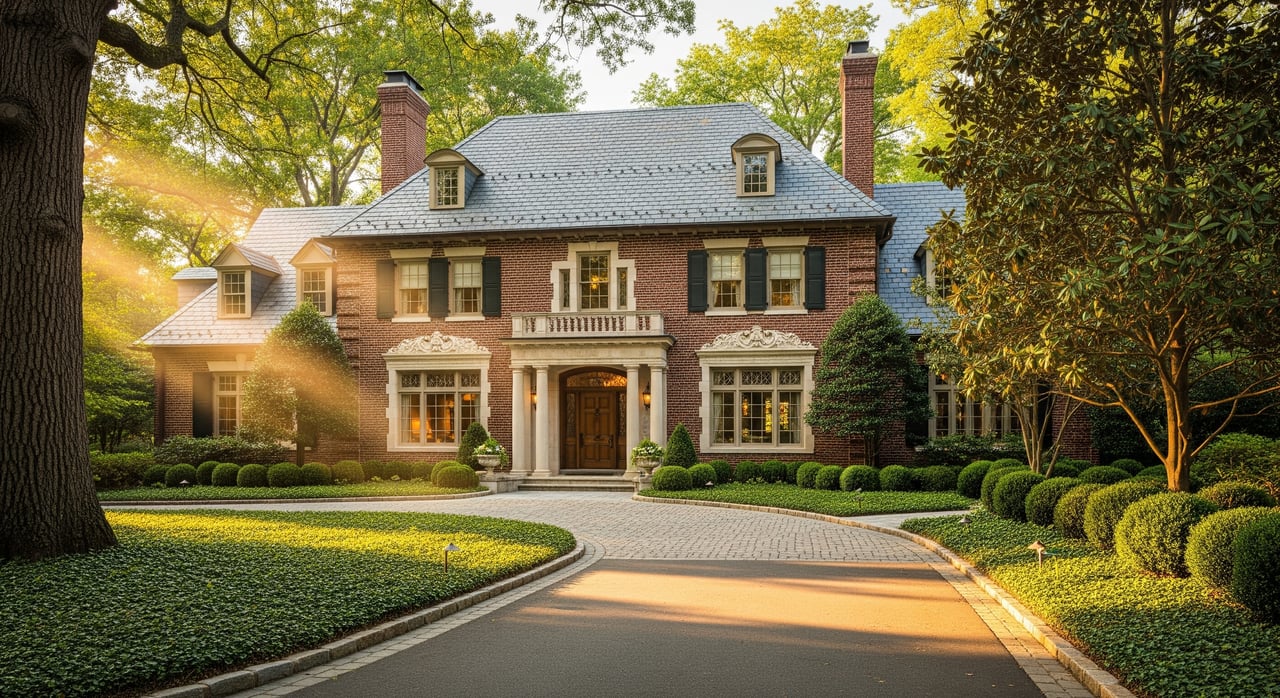
Love the tree-lined streets and stately porches of Myers Park but not sure what’s behind the charm? You’re not alone. Classic homes here offer beauty and history, and they also come with unique layouts, materials, and maintenance needs. In this guide, you’ll learn how to recognize key architectural features, what to expect inside, which inspections to prioritize, and how to plan respectful updates. Let’s dive in.
Myers Park architecture at a glance
Myers Park grew as a planned streetcar suburb in the late 19th and early-to-mid 20th centuries. That history shows up in traditional floor plans and refined details rather than wide-open layouts. Expect gracious rooms, symmetry, and craftsmanship throughout.
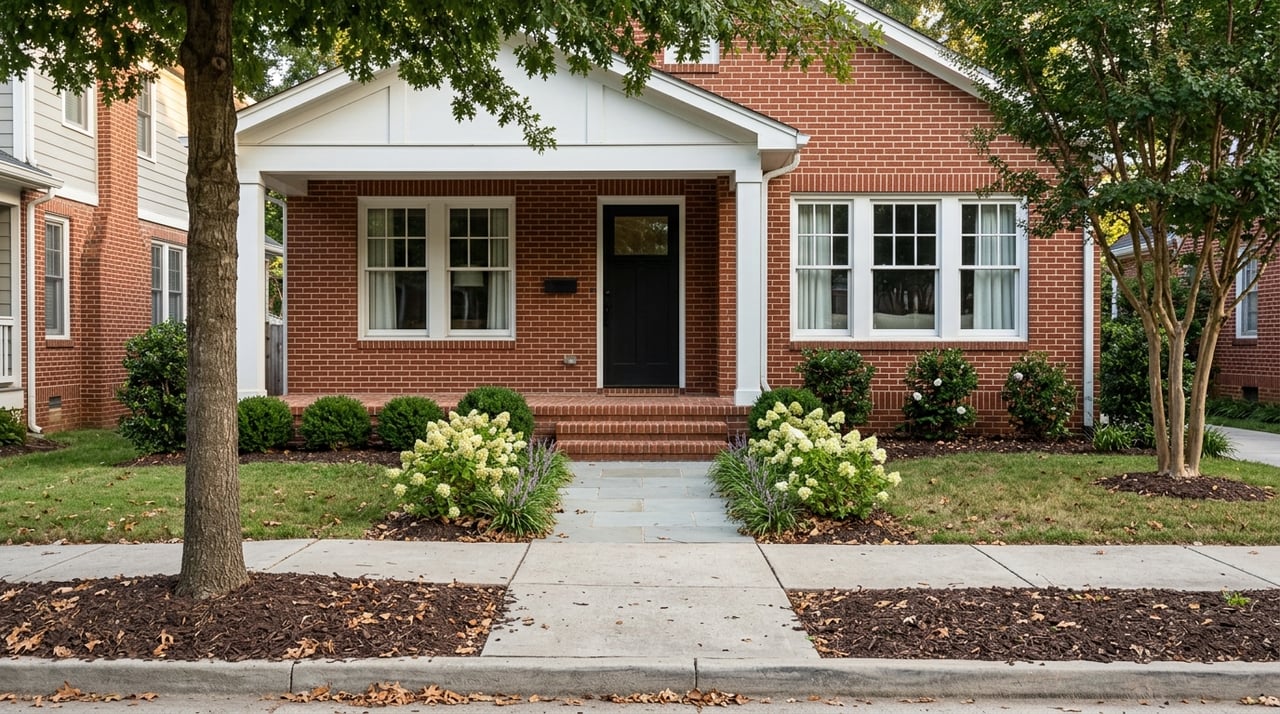
Common styles include Colonial Revival, Georgian and Neoclassical, Tudor Revival, Mediterranean or Spanish Revival, and early Craftsman and bungalow influences. Larger estate homes often show formal symmetry and columned entries. Others feature steep roofs, stucco, or decorative half-timbering.
How to spot styles
- Rooflines: steep gables for Tudor, hipped or gabled with symmetry for Colonial/Georgian, and low-pitched tile for Mediterranean.
- Materials: brick masonry, wood clapboard, stucco, and occasional stonework.
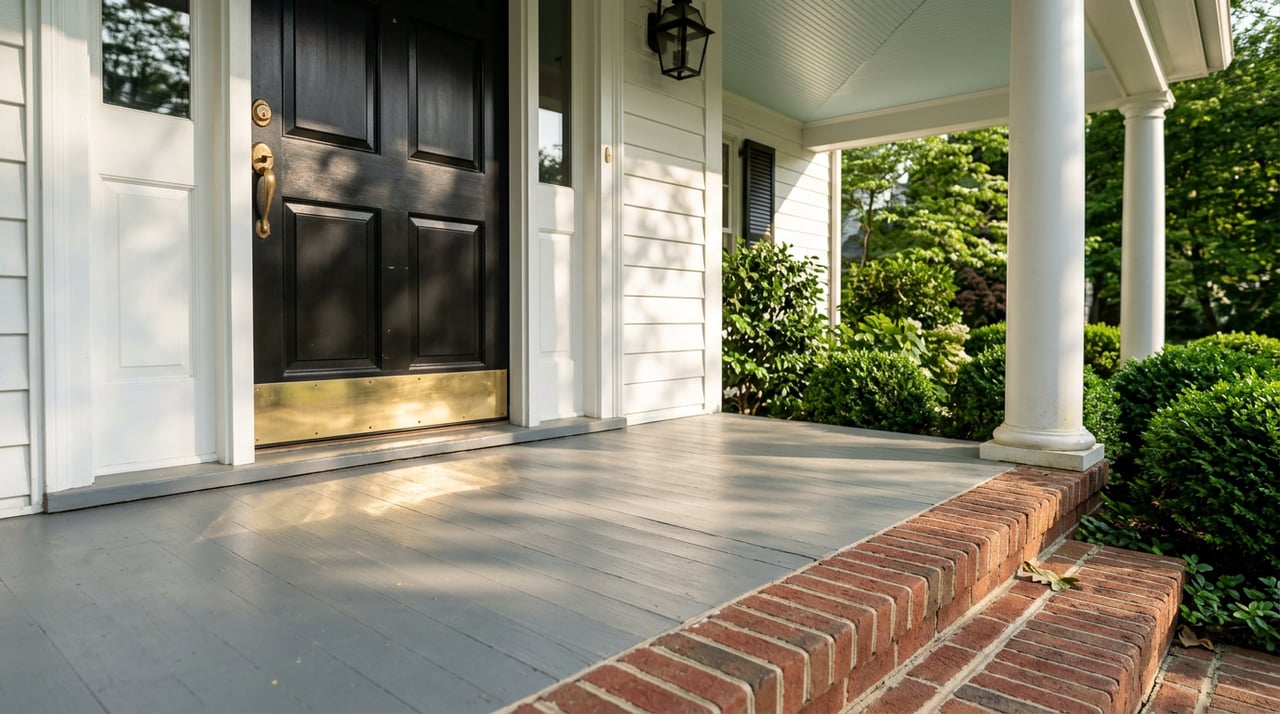
- Details: columned porches or porticos, multi-pane or leaded windows, and formal entryways.
Exterior and site features
Lots tend to be larger with deep front setbacks, curving streets, and a mature tree canopy. These elements shape curb appeal and also affect drainage and long-term care. You will also see driveways, porte-cochères, and detached or converted carriage houses that sometimes serve as guest or office spaces.
Roofs may be slate or composition shingles, and some original roofs are clay tile. Windows are often original single-pane wood sashes with divided lights. Porches and terraces are common and contribute to the neighborhood’s outdoor living feel.
Mature trees add shade and character, yet they can create root pressure near foundations and debris on roofs and gutters. Historic site elements like stone walls, brick walks, and original drives are valuable features to preserve during updates.
Interior details buyers love
Traditional floor plans usually include a formal entry hall, separate living and dining rooms, and often a library or study. Larger homes may include butler’s pantries, service stairs, and a formal-to-service room progression. Bedrooms are commonly upstairs, and some homes still have former servant spaces or secondary stair access.
Character-defining details are part of the appeal. Look for substantial baseboards and crown molding, picture rails, wainscoting, carved or paneled doors, and built-in cabinetry. Flooring is typically hardwood, often oak or pine, and many homes retain plaster walls and ceilings.
Fireplaces are common, with masonry construction and decorative mantels. You may also find original hardware, transoms, sidelights, and leaded-glass accents that add a refined touch.
Systems and vintage conditions
Older electrical systems can include knob-and-tube or early cloth-insulated wiring, and service panels may be undersized for modern demand. Plumbing may include galvanized steel supply or cast-iron drain lines. Many homes have been retrofitted with forced-air HVAC, but duct layout and insulation vary.
Original walls often lack insulation, and single-pane windows impact energy performance. Kitchens and baths are frequently modernized, though hidden systems may be older. Plan for targeted upgrades that protect original materials where possible.
Inspection and maintenance priorities
What inspections often find
- Foundation and grading: settlement, aging brick piers, and drainage that directs water toward the house.
- Roof and chimneys: worn slate or tile requiring specialist repair, flashing issues, and mortar deterioration.
- Moisture: crawlspace humidity, gutter or downspout problems, and attic ventilation concerns.
- Wood and pests: exterior trim rot and termite activity, especially where landscaping touches the house.
- Hazardous materials: lead-based paint in pre-1978 homes, possible asbestos in some materials, and older oil tanks in certain properties.
- Outdated systems: undersized electrical panels, older plumbing prone to leaks, and aging HVAC equipment.
Smart upgrades that honor character
- Preserve and repair original fabric when feasible. Repairing historic trim, plaster, doors, and windows often preserves value.
- Match materials and profiles if replacement is necessary. Custom millwork and historically sympathetic windows or columns help maintain authenticity.
- Integrate modern systems discreetly. Route new wiring or ductwork to minimize harm to historic finishes; consider compact or ductless systems when appropriate.
- Improve efficiency with low-impact steps. Add attic insulation, weather-stripping, and interior or exterior storms before considering invasive wall insulation.
- Update for safety and code. Modernize kitchens and baths, improve egress where needed, and coordinate with local officials on permitted changes.
Hiring contractors with historic-home experience is key. Specialized trades for slate or tile roofing, plaster repair, lead-safe painting, and millwork can add cost but protect long-term value.
Permits, preservation, and incentives
Some properties fall within historic overlays or hold local landmark status that may require review for exterior changes. Confirm whether a property is in a district and what approvals are needed through City of Charlotte planning and permitting.
During a transaction, request past permits, renovation records, architectural drawings if available, recent inspections, maintenance logs, and any certificates of appropriateness or approvals for prior work. Clear documentation builds confidence and streamlines due diligence.
Historic tax credits or incentives may exist at the federal, state, or local level for qualified rehabilitations. Eligibility depends on listing status and the scope of work. If you are planning major restoration, consult the North Carolina State Historic Preservation Office and local preservation bodies for guidance on program requirements.
Buyer checklist for Myers Park
- Order a thorough inspection: structure, roof, pests, HVAC, plumbing, and electrical. Add a lead-paint assessment for pre-1978 finishes.
- Request permit and renovation records, plus any historic commission approvals.
- Evaluate site drainage, tree health and root impact, and the condition of driveways and garages.
- Build a budget for likely system upgrades and specialized repairs like roofing or masonry repointing.
Seller checklist for Myers Park
- Gather maintenance logs, permits, and warranties. Address visible issues like safe railings, functioning HVAC, and water-intrusion fixes.
- Consider a pre-listing inspection to identify repairs and plan disclosures.
- Verify any needed historic-review compliance for recent or planned exterior work before going to market.
Market tips for pricing
Classic Myers Park homes often command a premium for lot size, streetscape, and architectural character. Buyers should factor renovation and deferred-maintenance costs into offers. Sellers can boost value by tackling obvious maintenance, completing key system upgrades like electrical panels or HVAC, and documenting permitted improvements.
How The Dearing Team helps
You deserve a smooth process and strong results. Our full-service approach covers pricing strategy, premium listing media, and neighborhood education, plus flexible solutions like home trade-in, guaranteed offers, and lease-to-purchase options when timing matters. Whether you are refining a historic gem or searching for one, we help you preserve character while protecting your budget and timeline.
Ready to move confidently in Myers Park? Connect with SERHANT. North Carolina for a personalized plan and The Dearing Team’s neighborhood expertise.
FAQs
Are Myers Park homes energy efficient?
- In original condition, typically not. Expect single-pane windows, limited insulation, and varied HVAC retrofits. Targeted upgrades can meaningfully improve performance.
Can I modernize kitchens and baths in a classic Myers Park home?
- Yes. Interior updates are common. Plan work to maintain character-defining features, and verify if any exterior changes require local review.
Do exterior changes require approval in Myers Park?
- Possibly. Some properties are in historic overlays or have landmark status. Confirm requirements with City of Charlotte planning and permitting.
What inspections are most important for older Myers Park homes?
- Structure, roof and chimneys, moisture and drainage, termites and rot, electrical capacity, plumbing materials, HVAC condition, and lead paint for pre-1978 finishes.
Are slate or tile roofs difficult to maintain?
- They can be durable but often require specialist repairs and proper flashing. Budget for periodic maintenance and hire roofers experienced with historic materials.