
What if your daily commute came with skyline views, coffee in hand, and no parking scramble? If you are eyeing a car-light lifestyle in Charlotte, living near the light rail can make it possible. You still want neighborhood character, solid resale potential, and an easy way to get across town. This guide shows you where to look, what to expect, and how to buy or sell confidently along the line. Let’s dive in.
Light rail basics in Charlotte
LYNX Blue Line overview
The LYNX Blue Line connects South End and Uptown to neighborhoods north through to University City and UNC Charlotte. It was built in phases, including a Blue Line Extension to the university area. You can review stations, schedules, and service alerts directly on the Charlotte Area Transit System’s site under the CATS system maps and service pages.
CityLYNX Gold Line overview
Charlotte’s streetcar, the CityLYNX Gold Line, runs at street level through central Uptown and nearby neighborhoods. It complements the Blue Line by improving access to dining, culture, and services in the urban core. For current routes and project summaries, check the CATS information hub.
Plans and future corridors
City and transit planners have studied additional corridors and extensions over time. Funding and timelines vary, so treat proposed lines as potential upside rather than guaranteed additions. To see active policies and station-area plans, explore the City of Charlotte’s Planning Department resources.
Best neighborhoods along the lines
Uptown (Center City)
Uptown is the rail network’s hub, where the Blue Line and Gold Line converge. You will find high-rise condos, new mixed-use buildings, and limited single-family options. It suits professionals and empty-nesters who want to walk to work, sports, and culture. Expect higher HOA fees in many buildings and sometimes limited private parking.
What you will like:
- Walkable access to offices, sports, museums, and dining.
- Multiple stations with the highest service frequency.
Tradeoffs to weigh:
- Premium pricing and higher HOA fees in many towers.
- Garage or assigned parking can be limited depending on the building.
South End
South End is one of Charlotte’s most transit-oriented neighborhoods with several Blue Line stations. The vibe is lively with restaurants, breweries, and new development. Housing includes condos, townhomes, and multifamily buildings that attract both buyers and investors. High demand drives competition and can mean street activity and nightlife noise near popular blocks.
What you will like:
- Very walkable, fast rail trips into Uptown.
- Amenity-rich corridor with strong rental demand.
Tradeoffs to weigh:
- Price pressure in newer buildings and townhome communities.
- Busy nightlife and traffic around peak dining hours.
NoDa (North Davidson / Arts District)
NoDa blends arts district character with access to the Blue Line via nearby stations. You will see older single-family homes, duplexes, and select infill condos. The area appeals to buyers seeking an independent-business vibe with a shorter commute to Uptown. Some homes are older and may need renovation or targeted updates.
What you will like:
- Character streets and local venues.
- Quick rail connections to Uptown and South End.
Tradeoffs to weigh:
- Renovation needs in older housing stock.
- Varying walk times to the nearest station depending on the street.
Plaza Midwood and Elizabeth
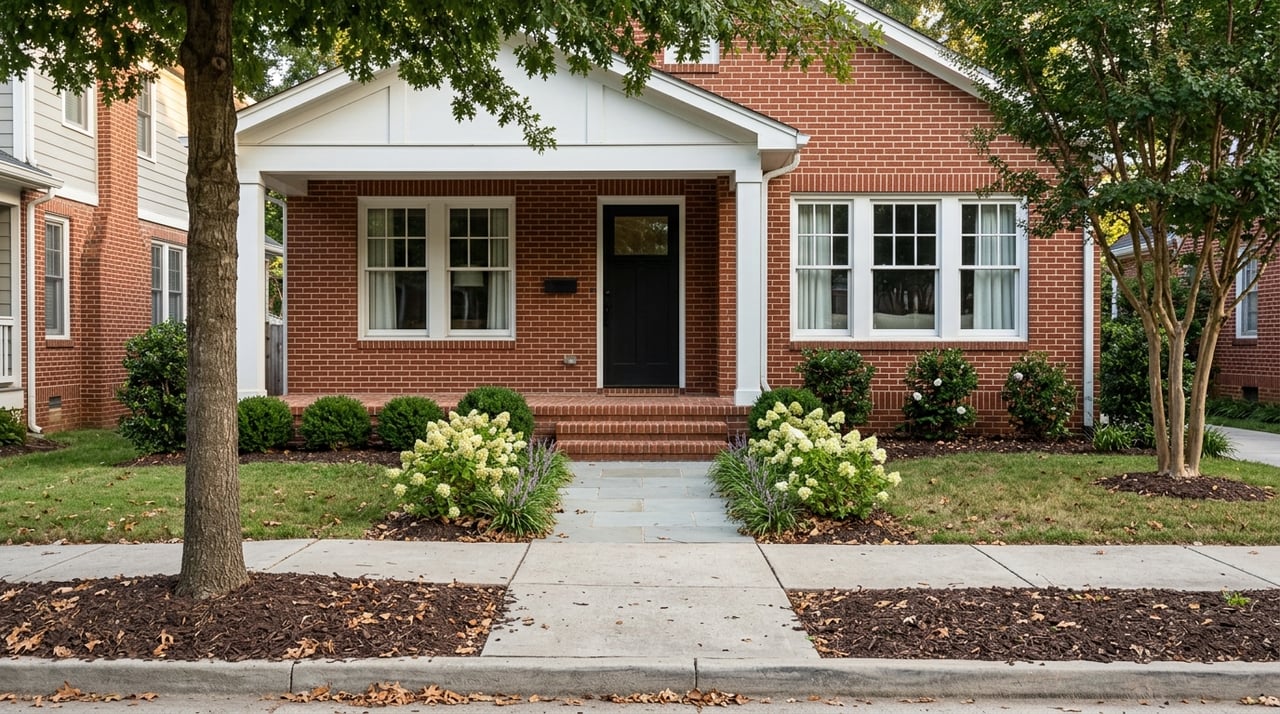
These historic neighborhoods connect to Uptown via the Gold Line and are a short hop from Blue Line nodes depending on your exact address. You will find bungalows, craftsman homes, some duplexes, and tasteful infill. Many choose this area for its local restaurants, parks, and community feel. Rail access is solid, though some homes sit a bit farther from rapid-rail stations than South End or Uptown.
What you will like:
- Eclectic retail and dining with neighborhood charm.
- Streetcar access and reasonable commutes.
Tradeoffs to weigh:
- Not every block is a short walk to a Blue Line station.
- Infill activity can change streetscapes over time.
University City / UNC Charlotte
At the northern end of the Blue Line Extension, University City offers direct rail access to campus and nearby employment centers. Housing includes student-focused apartments, townhomes, and newer single-family options in surrounding areas. Investors value steady rental demand tied to the university calendar. Distance to Uptown is longer, but the rail line helps smooth the commute.
What you will like:
- Direct rail service to campus and employment clusters.
- Consistent rental interest in station-area properties.
Tradeoffs to weigh:
- Traffic spikes tied to campus events.
- Commute to South End or south corridors is longer in time and distance.
Other station-area communities
Pockets near Dilworth, parts of the I-485 corridor along the Blue Line, and neighborhoods that connect via bus or park-and-ride are shaped by transit access as well. Some areas near studied or proposed corridors may benefit from future projects if they advance. Always confirm the latest status with CATS and City planning updates and the City’s planning pages.
How transit proximity shapes value
National research shows that homes close to high-quality transit can command price and rent premiums, especially where stations are paired with walkable, amenity-rich districts. You can explore broader takeaways from Brookings research on transportation and TOD. In Charlotte, the strongest effects tend to align with South End and parts of Uptown, where station-area redevelopment has been robust.
Living near the rail can also widen your resale pool. Commuters with Uptown jobs, students, and investors often target properties within a short walk of stations. This can translate into stronger demand and potentially faster liquidity when you go to sell.
There are tradeoffs to consider. Station-adjacent blocks can experience more pedestrian activity and some noise. Parking may be tighter where transit-oriented development policies encourage fewer car spaces and more walkable design. If you are considering a property near proposed lines, remember that plans and timelines can change. Treat future transit as a possible benefit, not a guarantee.
For a reality check on how many people use transit regionally, review commute-mode data at the U.S. Census American Community Survey. Charlotte remains auto oriented overall, but the rail is highly valuable when your daily destinations are along the line.
Buyer checklist for light-rail areas
Use this quick list to evaluate any home near a station:
- Walk the route at different times. Visit during morning and evening peaks and off-peak hours to gauge noise, foot traffic, and station activity.
- Confirm schedules and frequency. Check current timetables, weekend and holiday service, and rider updates on the CATS schedules and trip tools.
- Verify parking details. Confirm assigned or garage parking, street rules, and HOA guest policies in writing.
- Review future development. Look at rezoning notices and station-area plans through the City’s Planning Department so you know what is coming to the block.
- Check property condition. Older buildings near tracks may need sound attenuation or targeted inspections. Budget for updates if needed.
- Consider schools and services. If it matters for your household, verify current CMS boundaries and nearby services before you write an offer.
- Test commute times. Use a typical weekday to time your walk to the station and rail trip to your primary destination.
For quick walkability context, neighborhood scores on Walk Score can supplement your on-the-ground visits.
Seller tips to showcase transit access
Position your listing to highlight the benefits of rail living while addressing common concerns upfront:
- Lead with verifiable facts. Share the walking minutes to the station, typical train frequency, and time to major job hubs like Uptown or UNC Charlotte. Use CATS station maps for accurate details.
- Sell the lifestyle. List cafés, parks, grocery options, bike lanes, and public improvements that a buyer will use in the first 30 days.
- Address objections proactively. Note double-pane windows, assigned parking, and any building security features. Include HOA policies that clarify guest parking or quiet hours.
- Price with the right comps. Look at recent sales within a similar walk to a station, not just within the broader neighborhood. Use county data to cross-check valuations on Mecklenburg County property records.
Local coverage can also help buyers picture the area. Share recent neighborhood changes or events from reputable sources like the Charlotte Observer to provide context.
Which area fits your lifestyle
- Short walk to office and entertainment. Consider Uptown or South End for maximum convenience and multiple station options.
- Character and independent businesses. Explore NoDa or sections of Plaza Midwood and Elizabeth with reasonable access to the Gold Line or nearby Blue Line nodes.
- University connectivity and investment potential. University City offers direct access to campus and steady rental interest.
If you are weighing two areas, test-drive both commutes during a normal weekday. Small details like station crowding, elevator access, or bike storage can make a daily difference.
Next steps
Whether you are buying your first station-area condo or selling a townhome steps from the Blue Line, a tailored plan can simplify the process. The Dearing Team pairs neighborhood fluency with premium marketing and flexible solutions like home trade-in, guaranteed offers, and lease-to-purchase so you can move on your timeline with confidence.
Ready to explore homes along the LYNX corridor or position your listing for top-dollar results? Connect with The Dearing Team to Request Your Free Home Valuation & Marketing Plan.
FAQs
Are homes near Charlotte’s light rail worth a premium?
- In amenity-rich, high-demand corridors like South End and parts of Uptown, proximity often commands a premium and strong rental demand, while premiums may be smaller in less-developed station areas.
Do people actually use the Blue Line for commuting?
- Many Uptown and University City workers do, though Charlotte’s overall transit mode share remains modest; the line is most valuable if your daily destinations are along it, per ACS commute data.
Will proposed future lines boost my home’s value?
- Planned transit can help if funded and built alongside walkable land uses, but plans change, so treat future projects as potential upside rather than guaranteed appreciation; check City planning updates.
Are noise or safety issues common near stations?
- Experiences vary by station and block; busier areas can have more activity, and designs that add lighting and active street uses tend to reduce concerns over time, so visit at multiple times to assess fit.
How do TOD policies affect renovations near stations?
- Station-area zoning can allow higher density and specific design standards; confirm requirements with the City’s Planning Department before you start major work.