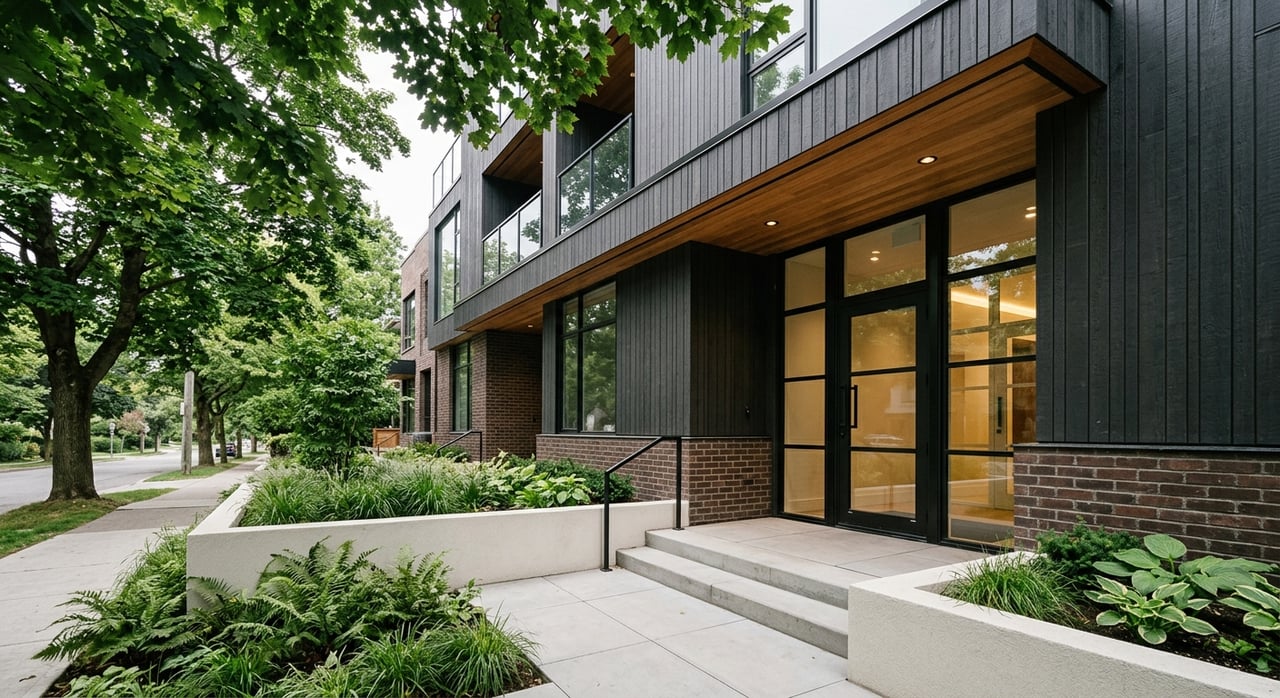
Trying to decide between a single-family home and a condo around SouthPark? You are not alone. For many buyers, this choice comes down to more than square footage or price. It is about how you want to live day to day, what kind of maintenance you want to handle, and how important convenience, privacy, and flexibility are to your next move. In this guide, you will get a clear, practical way to compare both options around SouthPark so you can move forward with confidence. Let’s dive in.
Why SouthPark makes this choice important
SouthPark is not a one-note housing market. City planning documents describe it as one of Charlotte’s mixed-use activity centers, with ongoing public and private investment aimed at creating a more connected, walkable, and transit-friendly environment. That matters because the way you want to use the area can directly shape which home type fits you best.
A useful snapshot comes from ZIP code 28210, which overlaps much of SouthPark and nearby neighborhoods. ACS-derived profile data show 22,228 housing units, with 56% owner-occupied units and 59% single-unit structures. The median owner-occupied home value is $531,700, which helps show that detached homes and attached housing both have a meaningful presence here.
If you are drawn to a lock-and-leave routine, quick access to shopping and dining, or easier day-to-day upkeep, condos and townhomes may stand out. If you want more space, more privacy, or more room to personalize outdoor areas, a single-family home may feel like the better fit.
What counts as condo vs single-family
Before you compare lifestyle and cost, it helps to understand how the ownership structure works. In North Carolina, a condominium gives you separate ownership of your unit and shared ownership of the common areas. Those common elements include the portions of the property outside the unit itself.
A single-family home usually gives you direct ownership and responsibility over the house and lot. In many attached-home communities, a property may actually be a fee-simple townhome in a planned community rather than a condo. That distinction matters because the legal structure helps determine who maintains what and how assessments are handled.
In planned communities covered by North Carolina’s Planned Community Act, the association is generally responsible for common elements, while each owner is responsible for the lot and improvements on it unless the declaration says otherwise. In simple terms, two homes can look similar from the street but come with very different maintenance obligations.
Compare maintenance and monthly costs
For many buyers, maintenance is the first big dividing line. A condo or townhome often appeals because some exterior work and shared-area upkeep are shifted to the association. That can reduce the amount of routine maintenance you handle yourself.
The trade-off is cost. HOA dues or condo fees are usually paid directly to the association and are generally not part of the monthly mortgage payment. According to the CFPB, those dues can range from a few hundred dollars per month to more than $1,000 per month, so your true monthly cost is about more than principal, interest, taxes, and insurance.
A single-family home often gives you more direct control over repairs, landscaping, and exterior updates. It also usually means you are taking on more responsibility for upkeep. If you prefer choosing your own timeline and vendors for exterior work, that control can be a major advantage.
When you compare options around SouthPark, look at the full monthly carrying cost, not just the list price. A lower-priced condo with substantial dues may feel very different from a detached home with no or lower association costs.
Think about privacy and outdoor space
Your daily lifestyle matters just as much as the numbers. Census definitions help explain the structural difference: a 1-unit detached home has open space on all four sides, while a townhouse is attached to adjoining homes by walls that run from ground to roof. In practice, that often translates into different levels of privacy, sound separation, and control over outdoor areas.
If private outdoor space matters to you, a detached home usually offers the most flexibility. You may have more room for gardening, entertaining, pets, or simply enjoying a yard on your own terms. You are also more likely to have freedom around landscaping and exterior changes, depending on any community rules.
Condos and attached homes often trade some of that privacy and control for easier upkeep and, in some communities, shared amenities. If your priority is convenience over yard work, that can be a very smart trade.
How SouthPark lifestyle affects the decision
SouthPark’s long-term development pattern makes this choice especially personal. City planning for the area is focused on improving transportation choices and creating a more walkable, connected environment. The planned SouthPark Loop is an approximately 3-mile multiuse path designed to connect pedestrians and bicyclists to neighborhoods, shops, restaurants, hotels, and parks in the activity center.
The SouthPark Community Transit Center, located in the SouthPark Mall parking deck, also serves several routes. For buyers who value convenience, shorter car-light trips, or the ability to leave home without worrying much about exterior upkeep, that can strengthen the case for condo or townhome living.
On the other hand, if you love SouthPark’s location but want a more private home base, a detached home may offer the better balance. You can still benefit from the area’s growing connectivity while keeping more space and separation at home.
Resale and financing can differ
Resale is never about property type alone, but the ownership structure can affect how smooth the process is. For condos, lenders may review the project itself in addition to the buyer’s finances. Fannie Mae says lenders can look at physical condition, financial stability, structural repair issues, insurance concerns, litigation, and required inspections.
If a condo building has unresolved critical repairs, major deferred maintenance, or special assessments, that can limit financing options for future buyers. A well-run association with adequate reserves and solid maintenance planning can be a positive selling point. A poorly managed one can narrow the buyer pool.
Detached single-family homes typically do not face the same condo-project review. That can mean fewer project-level lending hurdles during resale. Still, location, condition, monthly costs, and overall property appeal remain important no matter which home type you choose.
Questions to ask before you buy
The right questions can save you time, money, and stress. Whether you are leaning toward a single-family home, condo, or townhome around SouthPark, these points deserve a close look:
- Is the property legally a condo or a fee-simple townhome in a planned community?
- What exactly do the HOA dues cover?
- How much do those dues add to your real monthly housing cost?
- How strong are the reserve funds?
- Are any special assessments expected?
- How much private outdoor space comes with the home?
- What exterior or landscaping changes are allowed?
- How important are walkability, transit access, and lock-and-leave convenience to your lifestyle?
These questions are especially helpful in SouthPark because the area supports more than one way of living well. Some buyers want a lower-maintenance home close to destinations and transit. Others want a detached property with more breathing room while still enjoying SouthPark access.
Which option may fit you best
A condo or townhome around SouthPark may be a strong fit if you want easier upkeep, a more convenience-focused routine, and potential access to shared amenities. This option often appeals to buyers who travel often, keep a busy schedule, or want a more lock-and-leave lifestyle.
A single-family home may make more sense if you value privacy, private outdoor space, and more direct control over your property. This option often works well for buyers who are comfortable managing maintenance and want more flexibility in how they use the home over time.
There is no one-size-fits-all answer in SouthPark. The best choice depends on your budget, your preferred monthly cost structure, your tolerance for maintenance, and the way you want your home to support your life.
If you are weighing your options around SouthPark, the right guidance can make the choice much clearer. The team at SERHANT. North Carolina can help you compare home types, understand true ownership costs, and find the option that fits your goals with confidence.
FAQs
What is the difference between a condo and a single-family home in SouthPark?
- A condo usually means you own your unit and share ownership of common areas, while a single-family home usually gives you direct ownership and responsibility for the house and lot.
How do HOA dues affect condo costs around SouthPark?
- HOA or condo dues are usually paid separately from the mortgage and can add a few hundred dollars per month or more than $1,000 per month to your monthly housing cost, depending on the community.
Why does the legal structure matter for SouthPark townhomes?
- A townhome may be a condo or a fee-simple property in a planned community, and that legal structure affects maintenance responsibilities, shared costs, and how assessments work.
Are condos in SouthPark harder to finance than single-family homes?
- They can be, because lenders may review the condo project’s finances, condition, insurance, and repair status in addition to the buyer’s qualifications.
What lifestyle factors should you weigh when choosing housing around SouthPark?
- Focus on how much privacy and outdoor space you want, how comfortable you are with maintenance, and how important walkability, transit access, and lock-and-leave convenience are to your routine.